Niche job boards are one of the most reliable ways to build a profitable, defensible job board business.
Instead of competing with large, generalist platforms, niche job boards focus on a specific audience, industry, role type, or hiring model. This focus makes them easier to market, easier to rank in search engines, and more valuable to employers who care about relevance over reach.
In this article, we’ll look at successful niche job boards — not as recommendations for job seekers, but as real-world examples of the top job boards that work. Each example highlights why the niche succeeds and what founders can learn when validating an idea, choosing a niche, and deciding how to monetize.
If you’re thinking about starting a job board, these examples act as proof of demand and inspiration for positioning — and if you're still getting oriented, our guide on what a job board is covers the fundamentals.
Why Niche Job Boards Are So Effective for Founders
From a founder’s perspective, niche job boards tend to outperform general job boards for a few key reasons:
- Employers are more willing to pay for targeted audiences
- SEO is more achievable with clear topical focus
- Marketing is simpler when the audience is well-defined
- Smaller boards can still be profitable without massive traffic
The job boards below demonstrate these principles across different industries, job types, and monetization models.
- Skima AI: Specializes in AI and machine learning roles.
- Arc.dev: A vetted remote developer marketplace accepting only the top 2% of applicants.
- TrustAndSafetyJobs.com: The go-to job board for trust & safety professionals worldwide.
- Wellfound (formerly AngelList Talent, spun out and renamed in 2022; the separate AngelList business serves fund managers): Connects startups with talent.
- FindADataJob.com: Curated data science, analytics & engineering jobs in one place.
- Climatebase: Focused on roles in climate tech, sustainability, and clean energy.
- DronePilotJobs.co.uk: Connecting drone pilots with commercial operators across the UK.
- DiversityJobs: Prioritizes connecting diverse candidates with employers.
- We Work Remotely: Focused on remote-only job listings.
- Built In: Tech jobs organised into city hubs, with company profiles and an editorial layer.
These platforms outperform general job boards by offering better matches, industry-specific features, and access to hidden opportunities. They also support diversity goals and provide tools to track hiring trends and salary benchmarks.
Run a community in one of these niches? Every board on this list is a website with listings, a way for employers to pay, and search traffic - the same three parts. Job Boardly gives you those in an afternoon: your own domain, Stripe payments, and 12M+ jobs to backfill until employers post. See how to start a job board or the plans.
1. Skima AI — Artificial Intelligence & Machine Learning Roles
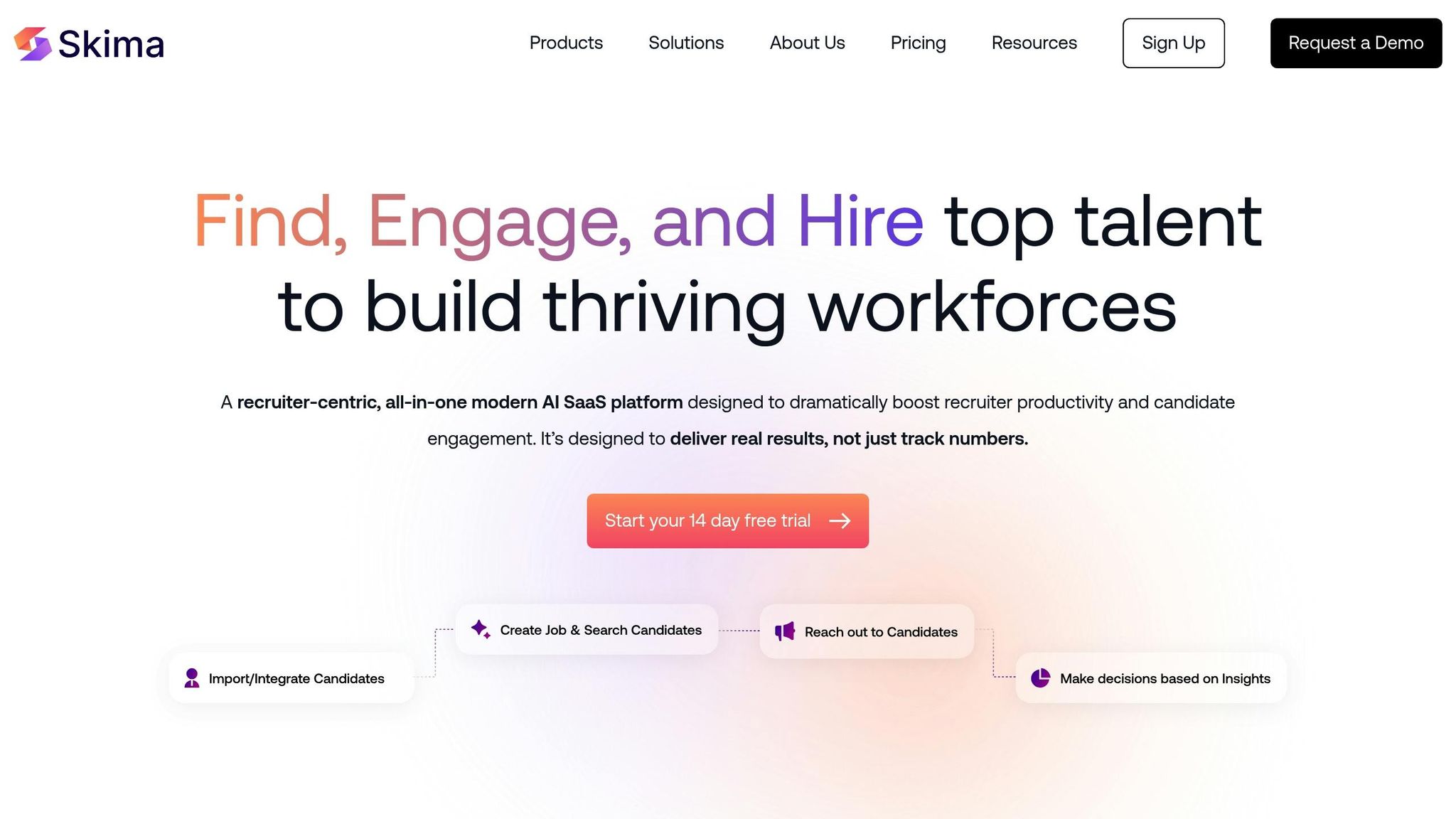
Focused on AI and Machine Learning Roles
A niche board focused on AI and machine learning positions, catering to a highly technical segment. In a competitive job market, Skima AI carves out its space by concentrating on roles in artificial intelligence and machine learning — one of many niches where AI is reshaping job boards.
Why This Niche Works
- AI & ML are fast-growing skills with persistent hiring demand.
- Employers struggle to find relevant talent on large, general platforms.
Founder Lessons
- Platforms that cater to niche industries often simplify the hiring process by narrowing the pool to highly relevant candidates.
- Pick emerging skill clusters where demand outpaces supply — these make powerful niches.
- Even if a niche seems too specialized, high demand + low noise = better monetization potential.
How to Apply This
Validate demand with keyword research and employer outreach before building.
2. Arc.dev — Vetted Remote Developer Talent
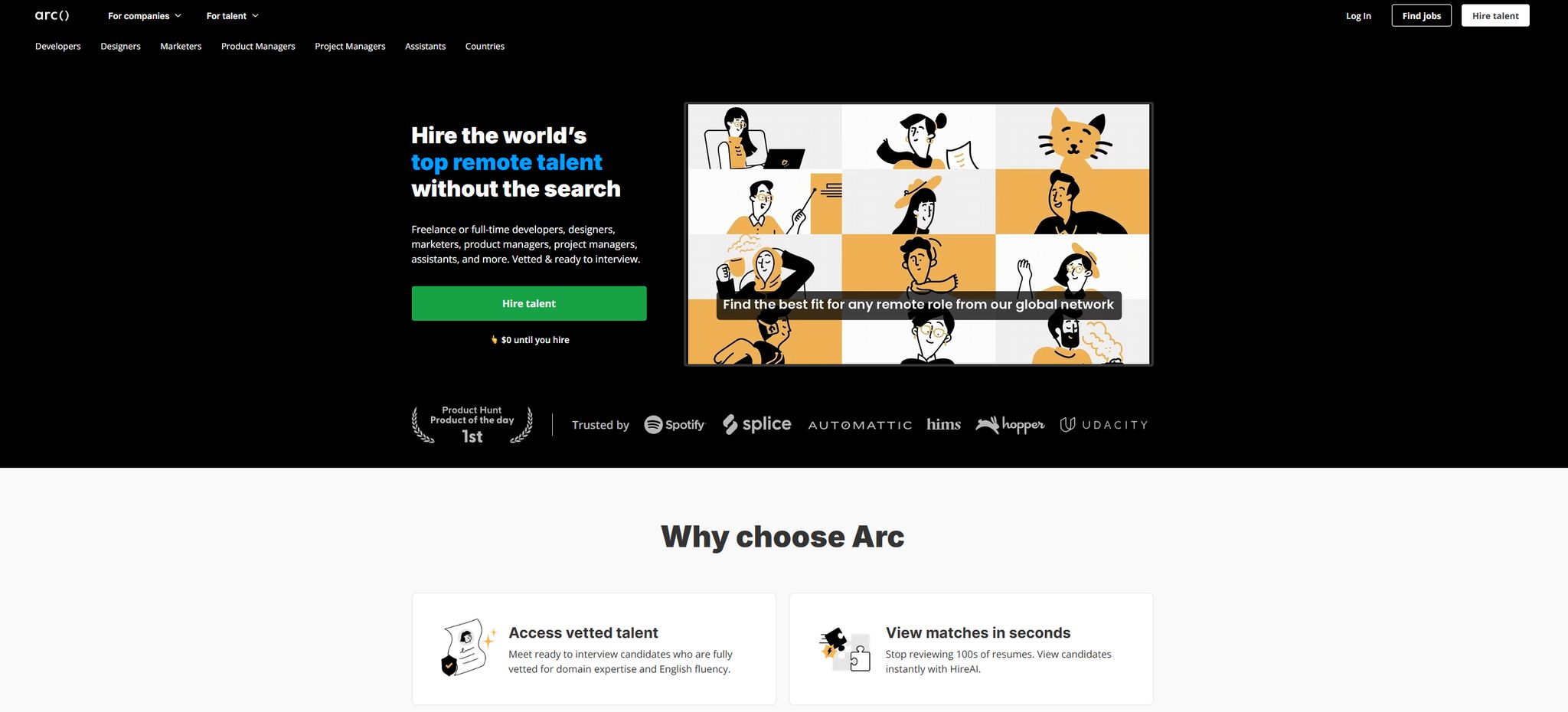
Focused on Pre-Screened Tech Roles
A curated developer marketplace built on rigorous vetting, accepting only the top 2% of applicants. Arc.dev (which evolved from Codementor, a developer knowledge-sharing community founded in 2014) connects companies with pre-screened remote developers, designers, and tech professionals across 190+ countries. Rather than acting as a traditional job board where anyone can apply, Arc operates as a curated talent ecosystem where every candidate has already passed technical and communication assessments before employers ever see them.
Why This Niche Works
- Developer hiring is notoriously noisy — vetting solves the signal-to-noise problem that frustrates employers on general platforms.
- Community roots give Arc credibility. Growing from Codementor's 350,000+ developer base meant the platform understood technical talent from day one.
- Employers like HubSpot and Shopify pay for speed and quality — Arc promises shortlists within 72 hours for contractors and 14 days for full-time hires.
Founder Lessons
- Vetting is a moat. Accepting only 2% of applicants turns scarcity into a premium — employers pay more precisely because the pool is small and trusted.
- Community-rooted platforms convert better. Boards connected to an existing technical audience inherit credibility rather than having to build it from scratch.
- Quality-over-quantity can be its own niche. You don't need thousands of listings — a smaller, highly curated board can command higher listing fees and stronger employer loyalty than a sprawling open marketplace.
How to Apply This
Consider adding a verification or quality tier to your job board — even a simple "vetted employer" or "screened applicant" badge builds trust and justifies premium pricing. If you have or can build a community around your niche (a forum, newsletter, or Slack group), launch job listings alongside it.
3. TrustAndSafetyJobs.com — Trust & Safety Professionals
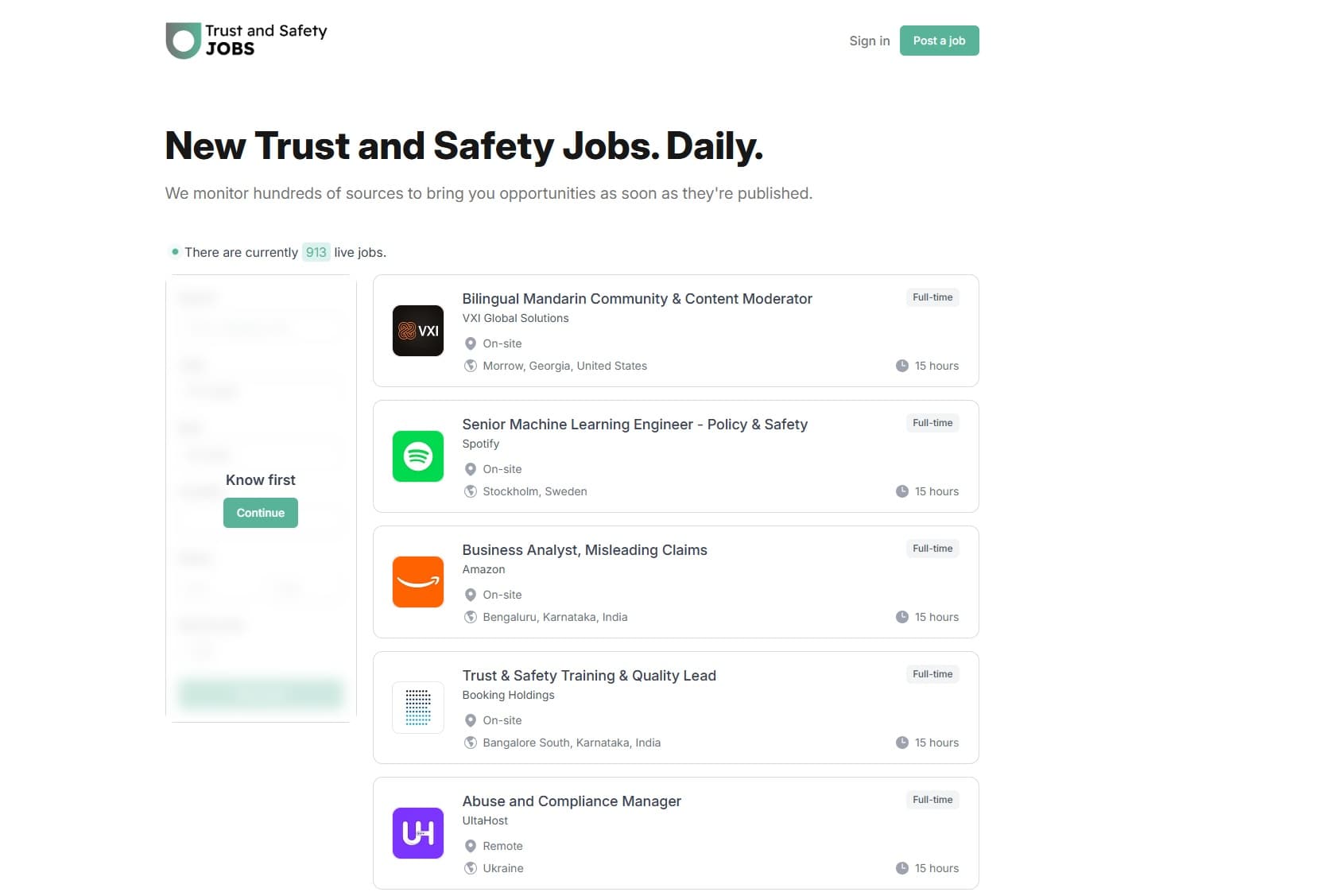
Focused on Trust & Safety Roles
A niche job board dedicated to trust and safety professionals — the people who keep platforms, communities, and users safe from abuse, fraud, and harmful content. This is a role category that barely existed a decade ago but is now a critical hire at every major tech platform, marketplace, and social network.
Why This Niche Works
- Trust & safety is a rapidly growing function with dedicated budget at every major tech company.
- Professionals in this space have a strong community identity — they actively seek niche resources over generalist platforms.
- Employers hiring for these roles struggle to find relevant candidates on general boards because the role title and skill set are highly specific.
Founder Lessons
- Emerging job functions make powerful niches — if a role is growing faster than the job boards serving it, there's a gap.
- Community-first boards (newsletters, Slack groups, events) create organic demand before you even launch paid listings.
How to Apply This
Look for job titles that have exploded in the last 3-5 years but don't yet have a dedicated job board. If professionals are finding each other in Slack communities and LinkedIn groups, there's unmet demand for a focused board.
4. Wellfound (formerly AngelList Talent) — Startup Roles
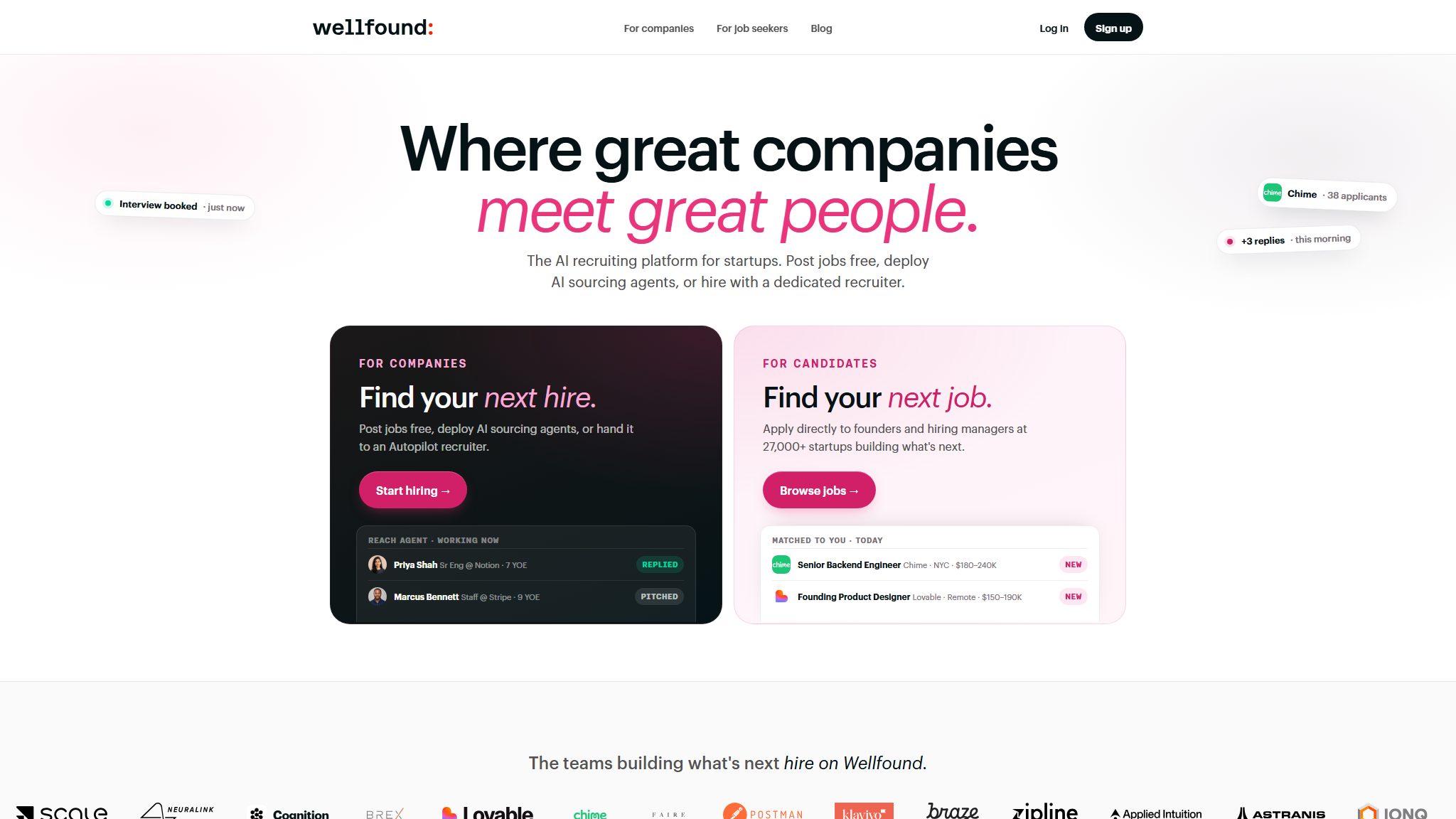
Focused on Startup Talent
A niche board for startup jobs, emphasizing transparency, equity and direct founder-to-talent connections. Wellfound, which operated as AngelList Talent until its 2022 rename (AngelList itself remains a separate business serving fund managers), is all about connecting early-stage startups with individuals eager to work in the fast-paced, high-growth world of venture-backed companies. Its dedication to this niche creates a space where innovation, risk-taking, and growth are highly valued by both employers and job seekers.
Why This Niche Works
- Startups have unique hiring preferences and culture fits.
- Many candidates want startup-specific dynamics like equity.
- What sets Wellfound apart is its tailored approach to startup hiring.
Founder Lessons
- Niche by employer type, not just job function.
- Hiring preferences (e.g., startup culture) are valid niche lines.
How To Apply This
Give employers tools to showcase company culture and compensation structures.
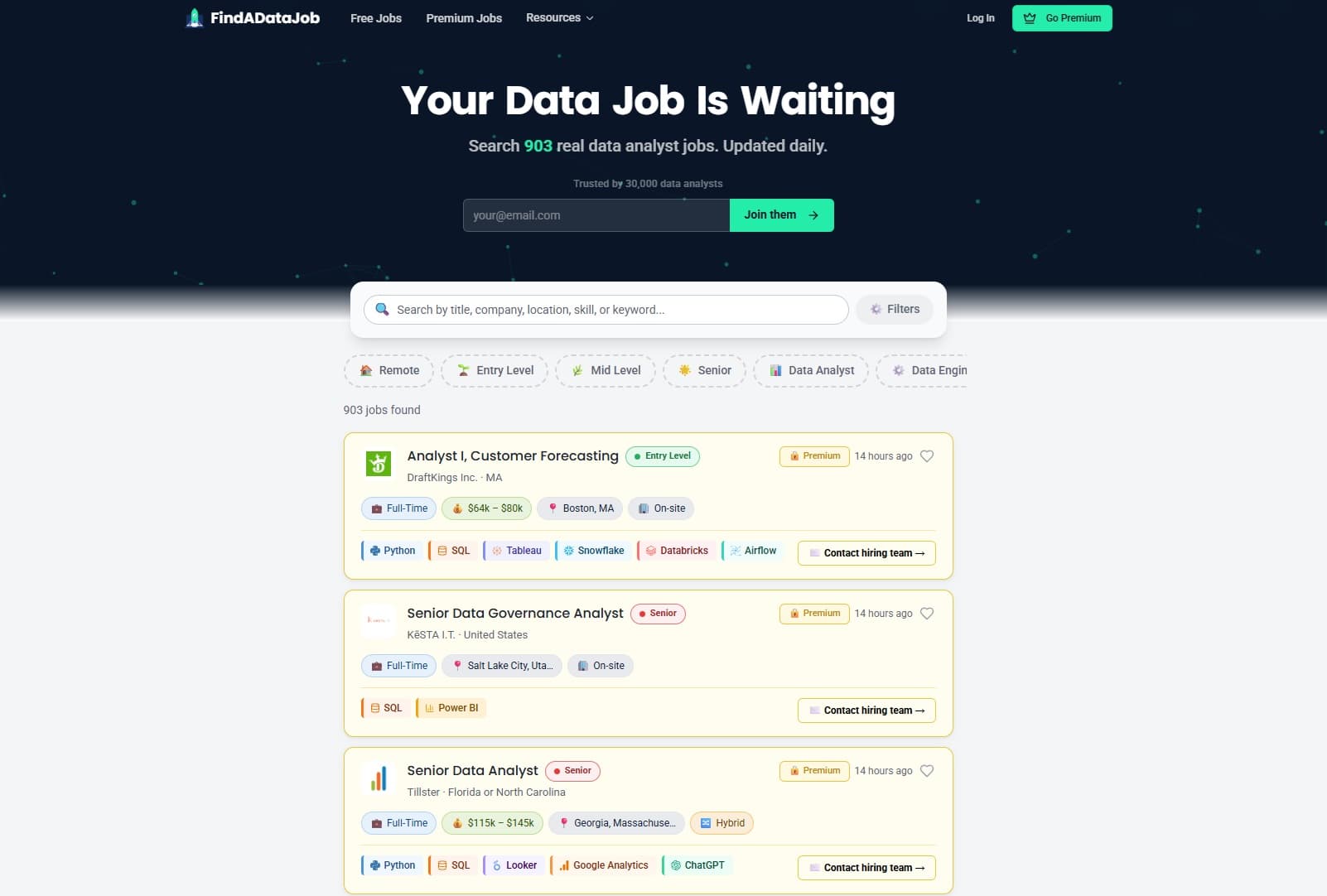
5. FindADataJob.com — Data Science, Analytics & Engineering
Focused on Data Roles
A curated job board specifically for data science, data analytics, data engineering, and machine learning roles. Rather than competing with the thousands of generic "tech jobs" boards, FindADataJob narrows in on one of the fastest-growing professional categories — giving data professionals a single place to find relevant roles without filtering through unrelated engineering or product listings.
Why This Niche Works
- Data roles span every industry (finance, healthcare, retail, tech) — the demand is massive but the talent pool is specific enough to niche down.
- Job seekers in data fields have highly specific tool and language preferences (Python, SQL, Spark, dbt) that general boards don’t filter for effectively.
- Employers posting data roles often struggle to attract qualified candidates on general boards because listings get buried under thousands of unrelated tech jobs.
Founder Lessons
- Skill-cluster niches (data, DevOps, security) work well because the audience self-identifies strongly with the category.
- Curation is a feature — a smaller board with only relevant listings is more valuable than a large board with noise.
- You don’t need thousands of listings to be useful. A focused board with 50-100 high-quality, relevant postings often outperforms a general board with 10,000.
How to Apply This
Pick a skill cluster that crosses industry boundaries. If professionals identify with the skill more than the industry (e.g., "I’m a data engineer" vs "I work in retail"), there’s a niche board opportunity.
6. Climatebase — Sustainability & Clean Energy
Focused on Climate Tech & Sustainability
A niche board dedicated to roles in climate technology, renewable energy, carbon markets, and sustainability. As climate tech funding has surged and companies across every sector hire for sustainability roles, dedicated job boards have emerged to serve this mission-driven talent pool.
Why This Niche Works
- Climate and sustainability is one of the fastest-growing job categories globally, with roles spanning engineering, policy, finance, and operations.
- Candidates in this space are highly mission-driven — they actively seek out boards that align with their values rather than browsing generalist platforms.
- Employers in climate tech are often startups or growth-stage companies competing for talent against big tech — they need focused channels to reach relevant candidates.
Founder Lessons
- Mission-driven niches attract passionate communities — candidates don’t just browse, they subscribe, share, and engage.
- Sectors with rapid funding growth (climate, biotech, space) create hiring demand faster than talent supply, making job boards in these spaces immediately valuable.
- Pairing a job board with a newsletter or community (common in climate) creates multiple monetization paths and organic growth.
How to Apply This
Look for industries experiencing a funding boom where hiring is outpacing the talent supply. If companies are raising money and immediately need to hire, a focused job board becomes essential infrastructure.
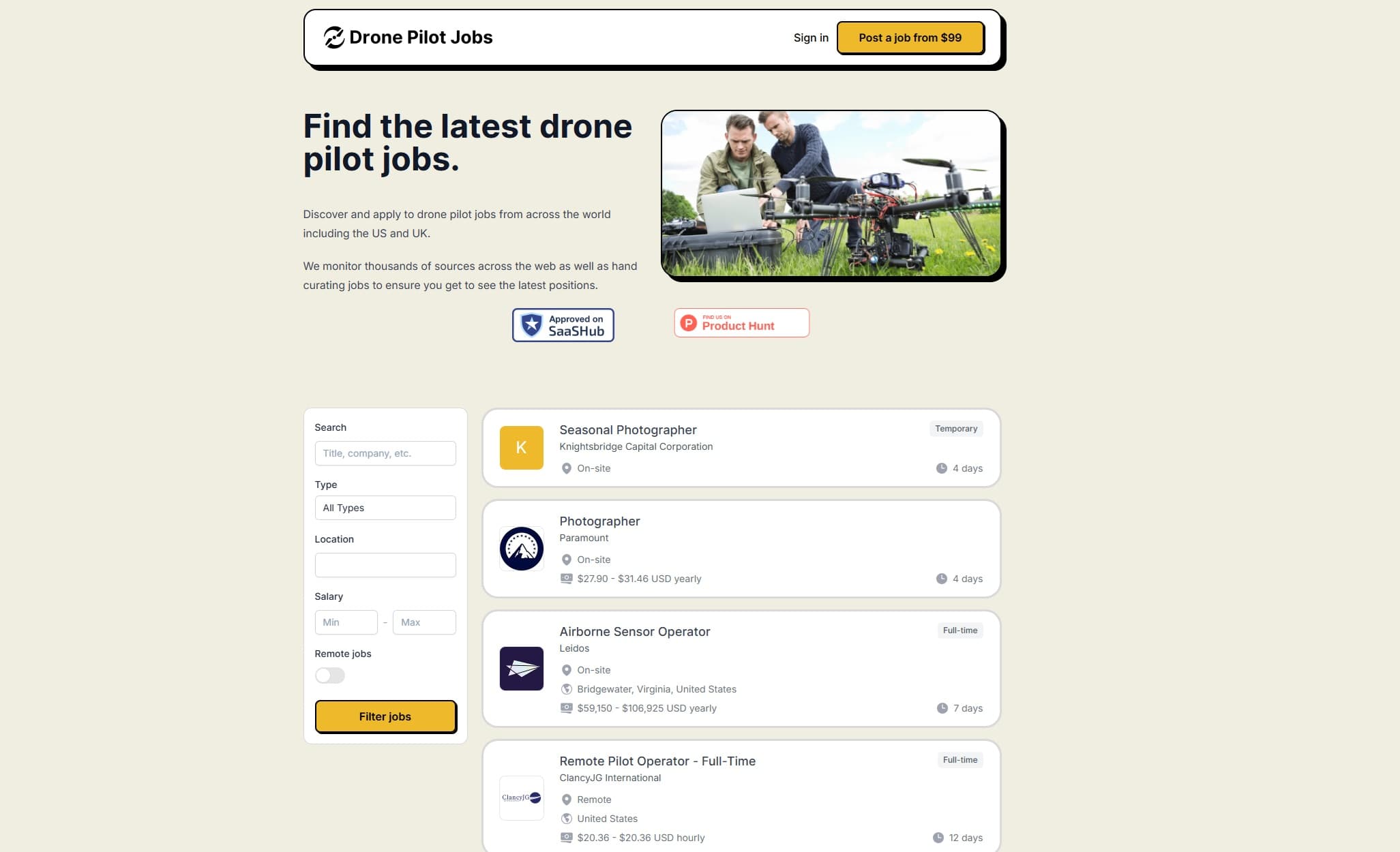
7. DronePilotJobs.co.uk — Commercial Drone Operators
Focused on Drone & Aviation Roles
A UK-focused job board connecting commercial drone pilots with operators across industries including surveying, agriculture, film production, and infrastructure inspection. This is an example of an extremely narrow niche that works precisely because of its specificity.
Why This Niche Works
- Commercial drone operations are growing rapidly as regulations mature and industries adopt UAV technology.
- Pilots with certifications (like the UK CAA GVC) are a specialized talent pool that general job boards don’t serve well.
- Employers in this space — surveying firms, film companies, energy providers — need pilots with specific equipment experience and certifications that are impossible to filter for on Indeed or LinkedIn.
Founder Lessons
- Hyper-specific niches can be viable businesses even with small audiences — if employers have urgent, hard-to-fill roles, they’ll pay a premium for access.
- Geographic focus (UK-only) narrows the market further but makes the board more relevant and easier to rank in local search.
- Certification-based industries are ideal niches because candidates are easy to qualify and employers know exactly what they need.
How To Apply This
Look for industries where workers need specific certifications or licenses. If there’s a regulatory barrier to entry, the talent pool is naturally small, focused, and valuable — perfect for a niche board.
8. DiversityJobs — Inclusive Hiring Focus
Focused on Inclusive Hiring
A niche board prioritizing connections between underrepresented talent and employers. DiversityJobs is dedicated to bridging the gap between employers and candidates from underrepresented groups, including people of color, women, veterans, individuals with disabilities, and LGBTQ+ professionals. The platform prioritizes diversity, equity, and inclusion (DEI), catering to job seekers who value workplaces that embrace inclusivity and employers striving to build diverse teams across industries and career stages.
Why This Niche Works
- DEI is now a corporate priority with budget behind it.
- Employers specifically seeking diverse talent are willing to pay for focused access.
- This platform stands out with its targeted job postings, designed to connect employers with diverse talent pools.
Founder Lessons
- Mission-driven niches attract both employers and engaged users.
- If you can add community resources + editorial, value increases.
- DiversityJobs helps employers streamline hiring by delivering three times more relevant applications and increasing the number of diverse applicants by 40%.
How To Apply This
Build partnerships with professional networks and communities that support your mission.
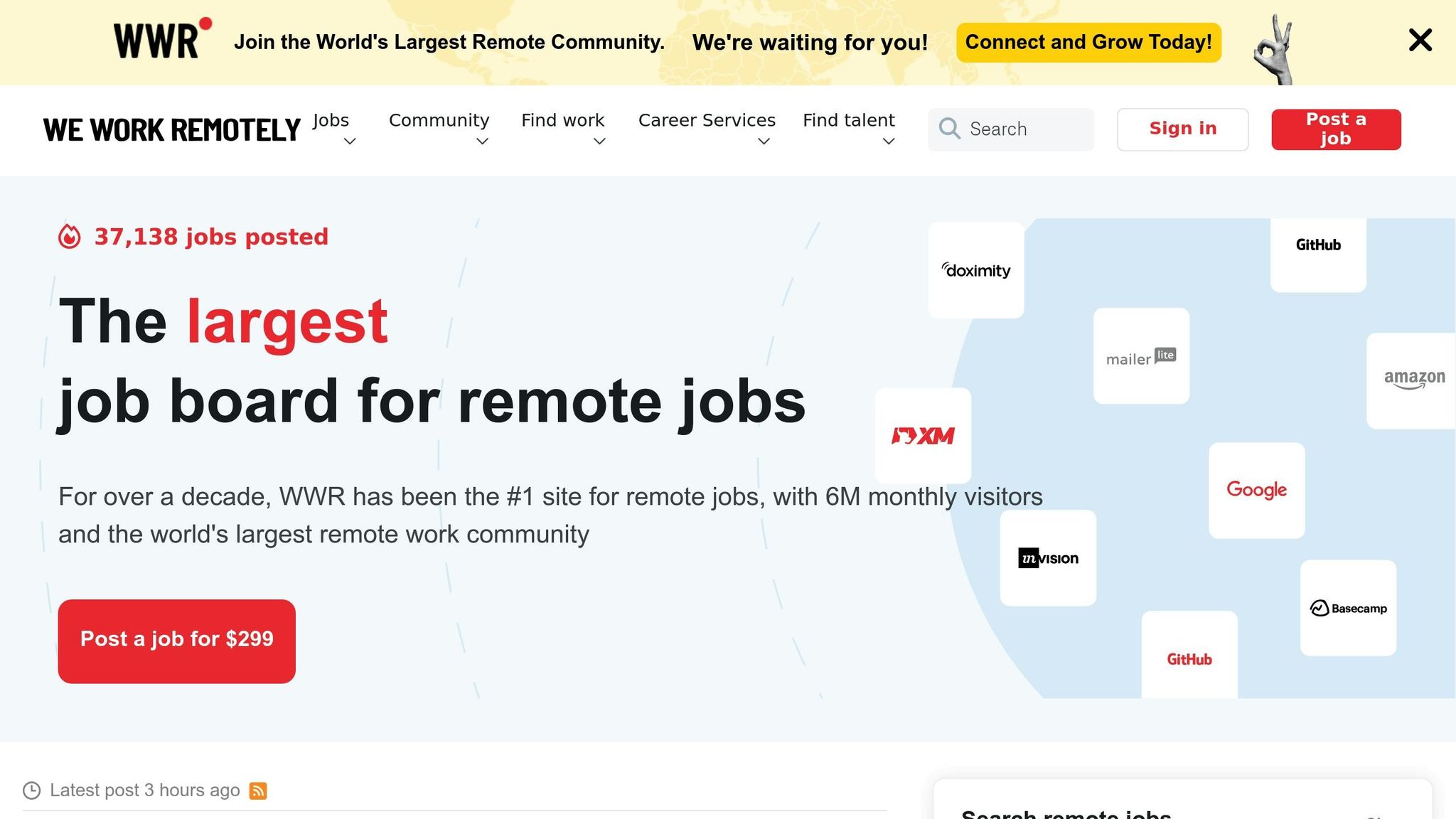
9. We Work Remotely — Remote-Only Jobs
Focused on Remote Opportunities
A dedicated remote job board with a strong reputation and community. We Work Remotely is dedicated exclusively to remote job opportunities, setting it apart from platforms that mix in-person and remote roles. This sharp focus attracts companies building distributed teams and professionals seeking flexible, location-independent careers. It's become a key resource for digital nomads and remote workers, creating a strong community centered around the remote work lifestyle.
Why This Niche Works
- Removes noise from mixed boards — remote jobs only.
- Helps employers find remote-ready talent quickly.
- The platform offers a curated selection of remote-only job listings, paired with advanced filtering options and employer branding tools.
Founder Lessons
- Focus doesn’t have to be narrow — clear, coherent positioning is what matters.
- Remote work continues to grow; boards that own this angle stand out.
- We Work Remotely focuses on connecting employers with remote-ready candidates, which cuts down the time spent on hiring and improves the quality of applicants.
How To Apply This
Curate remote jobs and build content around remote work best practices to drive SEO.
10. Built In — City Tech Hubs With Employer Branding
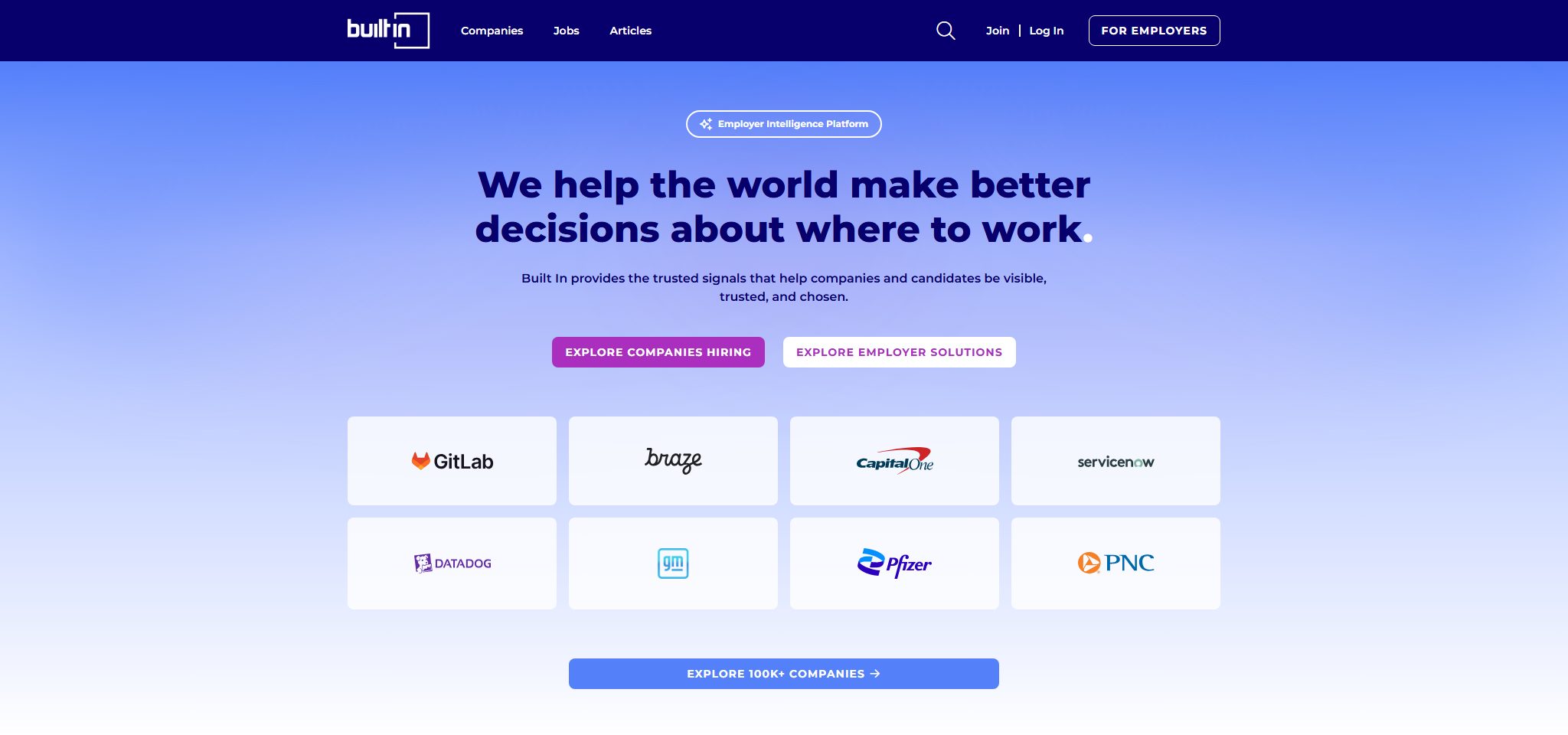
Focused on Tech Jobs, City by City
Built In runs a tech job board split into local hubs for the major US tech cities, with a national layer on top. Each hub pairs its listings with company profiles and an articles section about the local scene, so the site reads as a community publication as much as a job board.
Why This Niche Works
- Two filters at once: tech roles, in a specific city. Employers and candidates both know immediately whether the board is for them.
- Company profiles give employers a reason to pay beyond a single listing. They are buying visibility with a local audience.
- The editorial layer earns search traffic and return visits that a bare listings page never would.
Founder Lessons
- A niche can be geographic as well as topical. "Tech jobs in one city" is a smaller, more defensible market than "tech jobs".
- Sell the audience, not just the slot. Employer profiles and featured placement turn a listing fee into a branding budget.
- Content and jobs reinforce each other. Articles bring readers, readers become candidates, and candidates make listings worth paying for.
How To Apply This
Start with one city or region you already know, add employer profile pages alongside the listings, and publish something about the local scene every week. On Job Boardly, custom pages cover the profiles and editorial, and the Backfiller keeps the board full while you build the employer side.
11. Dribbble Jobs — Design & Creative Roles
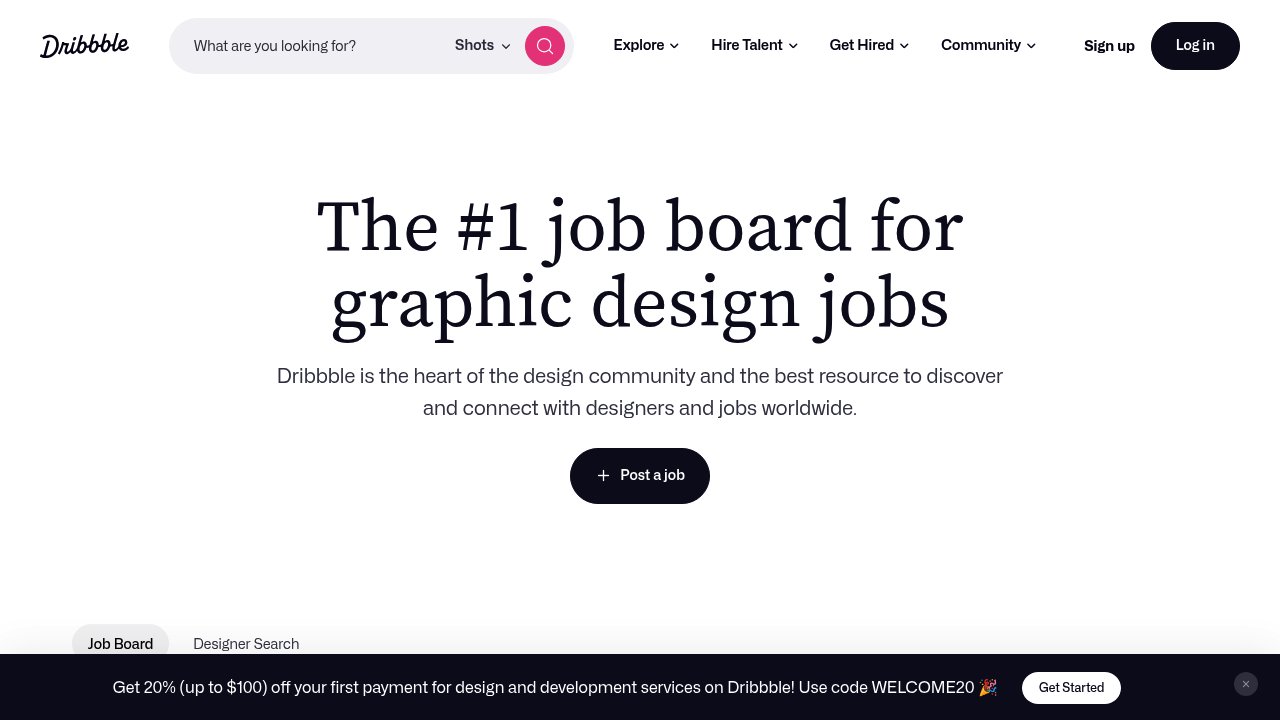
Focused on Designers, Illustrators & Brand Creatives
Dribbble Jobs is the hiring arm of the design portfolio community Dribbble. Employers post roles directly into a platform already populated with hundreds of thousands of designers showcasing their work — meaning the audience is pre-qualified before they ever see the job listing.
Why This Niche Works
- The community existed long before the jobs board did — designers came for portfolios and feedback, then employers followed the talent.
- Visual portfolios make screening dramatically faster for design hires; employers convert better than on text-resume boards.
- Creative roles are notoriously hard to fill through general job boards because skills don’t translate well to keyword search.
Founder Lessons
- Build the community before the marketplace — Dribbble’s jobs board works because the audience was already engaged for unrelated reasons.
- Industries where work is judged on portfolios (design, writing, music) reward boards that integrate samples directly into the listing flow.
How To Apply This
If your niche has a "work sample" format (designs, articles, code, videos), build that format into the candidate profile from day one. It turns your board into a destination, not just a listing aggregator.
12. HigherEdJobs — Higher Education Careers

Focused on Faculty, Administration & University Staff
HigherEdJobs serves colleges and universities hiring across every role on campus — from tenured faculty to research staff to facilities. It has dominated the academic hiring niche in the US for over two decades.
Why This Niche Works
- Academic hiring has distinct cycles, compliance requirements, and terminology that general boards handle poorly.
- Universities are institutional buyers — they sign annual or multi-year subscriptions instead of paying per listing.
- Candidates self-identify strongly with "academia" as a career path, so they’ll choose a niche board over a general one.
Founder Lessons
- Institutional niches beat individual niches for revenue stability — selling subscriptions to 500 universities is more predictable than 5,000 individual employers.
- Industries with unique hiring vocabulary (tenure-track, R1, adjunct) are defensible against generalist competitors who don’t speak the language.
How To Apply This
Look for niches where the buyer is an organization (university, hospital system, government agency) rather than a hiring manager. Larger organizations have larger budgets and longer sales cycles, but lifetime value is much higher.
13. Idealist — Non-Profit & Mission-Driven Roles
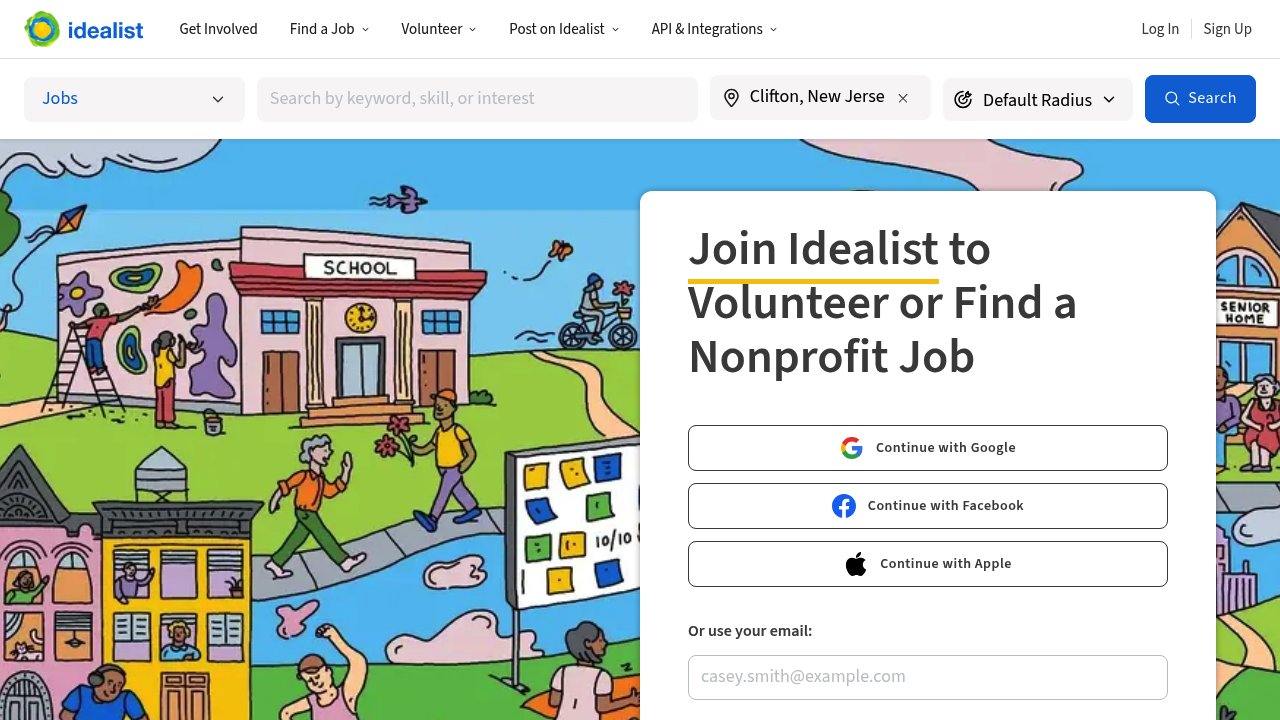
Focused on Non-Profit, NGO & Social Impact Roles
Idealist has been the default job board for the non-profit sector for years. Beyond just jobs, it lists volunteer opportunities and internships, which keeps candidates returning to the platform throughout their careers — not just when they’re actively job hunting.
Why This Niche Works
- Mission-driven candidates self-select strongly — they would rather apply through a values-aligned board than a generalist platform.
- Non-profits often can’t pay top salaries but can attract talent through purpose; the board reinforces that signal.
- Multiple engagement points (jobs + volunteering + internships) deepen the candidate relationship over time.
Founder Lessons
- Values-based niches build the most loyal communities — when candidates feel the board "stands for" something, they ignore competitors.
- Adjacent low-friction content (volunteering, events, internships) keeps candidates engaged between job searches.
How To Apply This
Identify the non-job activities your audience does (events, training, side projects). Surface those alongside listings to build a habit, not just a transaction.
14. Hcareers — Hospitality & Hotel Industry
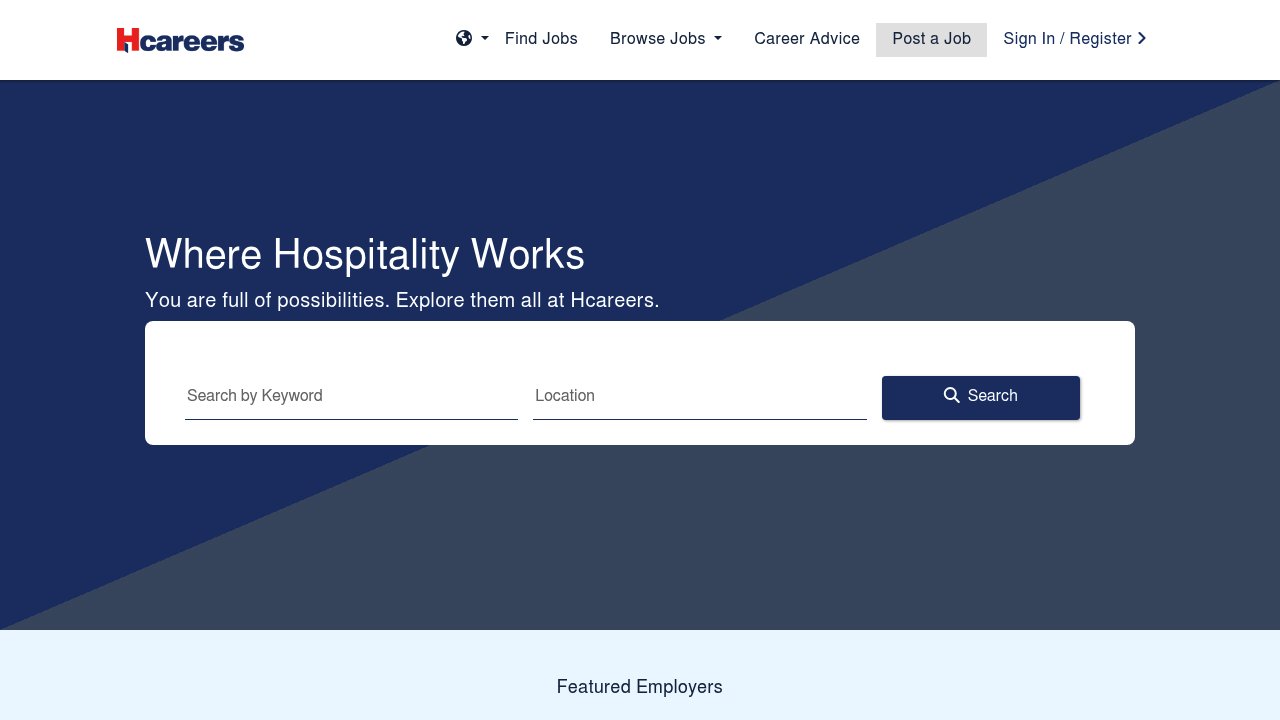
Focused on Hotels, Restaurants & Hospitality Management
Hcareers is a long-running niche board for the hospitality sector — covering everything from front-desk roles at boutique hotels to executive chefs to general managers at national chains.
Why This Niche Works
- Hospitality has unusually high turnover (often 70%+ annually for hourly roles), which means employers are always hiring — a steady revenue base for the board.
- Hotel and restaurant brands have multiple locations, so a single employer relationship can yield dozens of monthly listings.
- Industry-specific role titles (sommelier, banquet manager, revenue manager) don’t surface well on Indeed but make sense on a focused board.
Founder Lessons
- High-turnover industries are the best annuity — employers can’t stop posting, even when the economy softens.
- Multi-location employer accounts compound: one franchise group might run 200 listings a month from a single relationship.
How To Apply This
Build features that make multi-location employer accounts easy to manage (bulk posting, location filters, branded company pages). These accounts are the long tail of niche-board revenue.
15. Crypto Jobs List — Web3 & Crypto Roles
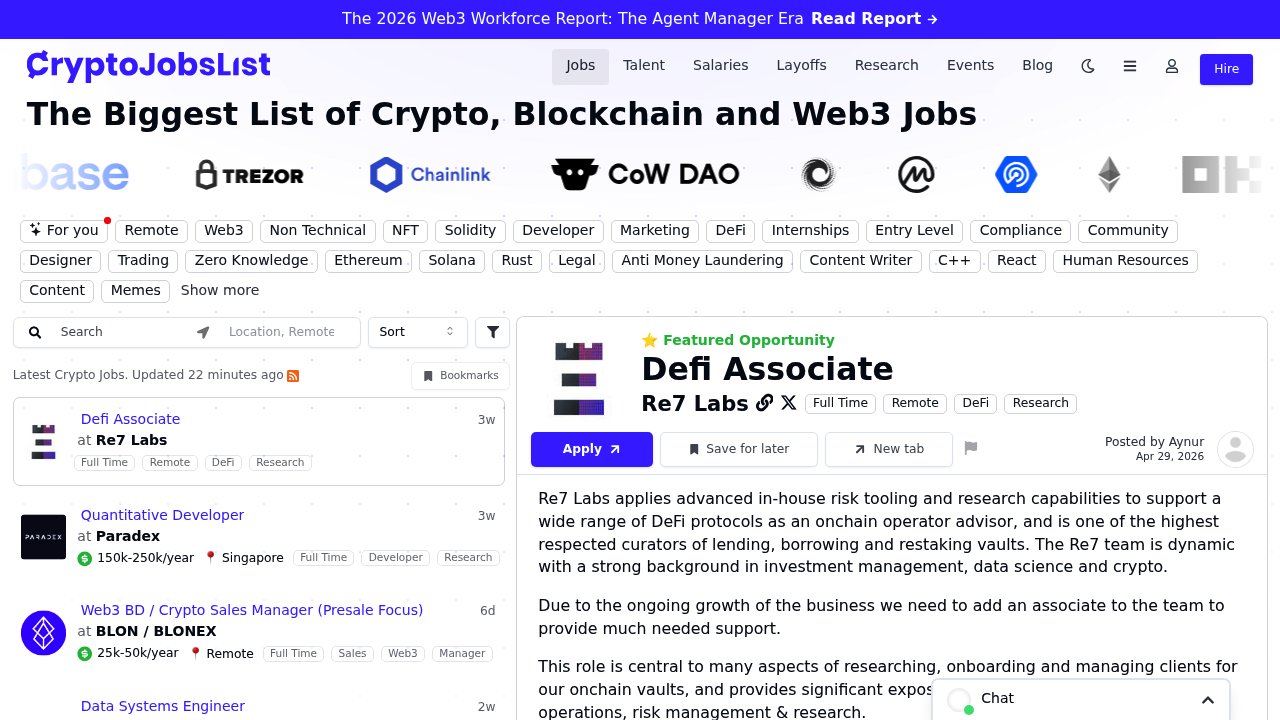
Focused on Blockchain, DeFi & Crypto-Native Companies
Crypto Jobs List rode the early wave of crypto/web3 hiring by positioning itself as the default board for an industry that incumbents didn’t take seriously. By the time mainstream boards added crypto filters, this one had already captured both employer and candidate mind share.
Why This Niche Works
- Crypto companies often pay in tokens, accept remote-first defaults, and have unusual equity structures — context that requires a board built around it.
- Candidates filter themselves: only people interested in crypto bother applying, raising relevance dramatically.
- Emerging-industry boards face little competition early; the cost of acquiring the first 100 employers is low compared to mature niches.
Founder Lessons
- Get into emerging industries before the incumbents notice — a 12-month head start in a new sector compounds into multi-year leadership.
- Industries where compensation, work model, or equity structures are non-standard need bespoke listing formats general boards can’t match.
How To Apply This
Scan for industries where general boards are using awkward workarounds (custom fields, free-text categories). That’s where a focused board can replace them with native, well-designed filters.
16. VetJobs — Veterans & Military Transition
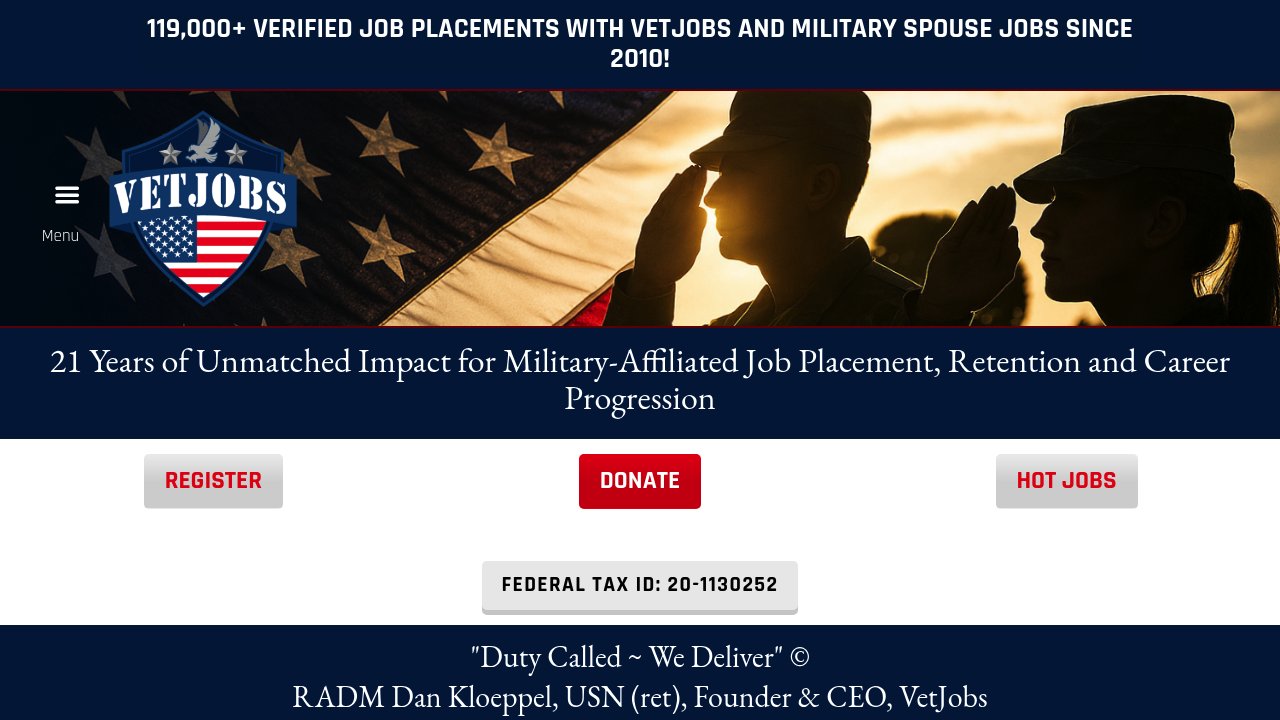
Focused on Transitioning Military, Veterans & Military Spouses
VetJobs connects veterans and military spouses with civilian employers who actively want to hire from this community — often through Department of Defense partnerships, DEI initiatives, or government contracting requirements.
Why This Niche Works
- Hiring veterans is a stated goal of many corporate diversity programs, so employers actively seek out this audience and pay to reach it.
- Government contractors are often required to demonstrate veteran outreach, creating regulated demand.
- Military experience translates poorly into standard resume keywords; a specialized board adds value by translating skills.
Founder Lessons
- Niches tied to corporate ESG or compliance programs have multiple revenue streams beyond standard listing fees — corporate sponsorships, partnerships, training packages.
- Communities with strong shared identity (veterans, women in tech, immigrants) generate the most word-of-mouth growth among candidates.
How To Apply This
If your niche overlaps with corporate DEI or compliance commitments, build out a sponsorship/partnership tier alongside listing fees. Enterprise accounts will often pay 10-50x the standard plan for the brand alignment.
17. PocketGamer.biz Jobs — Video Game Industry
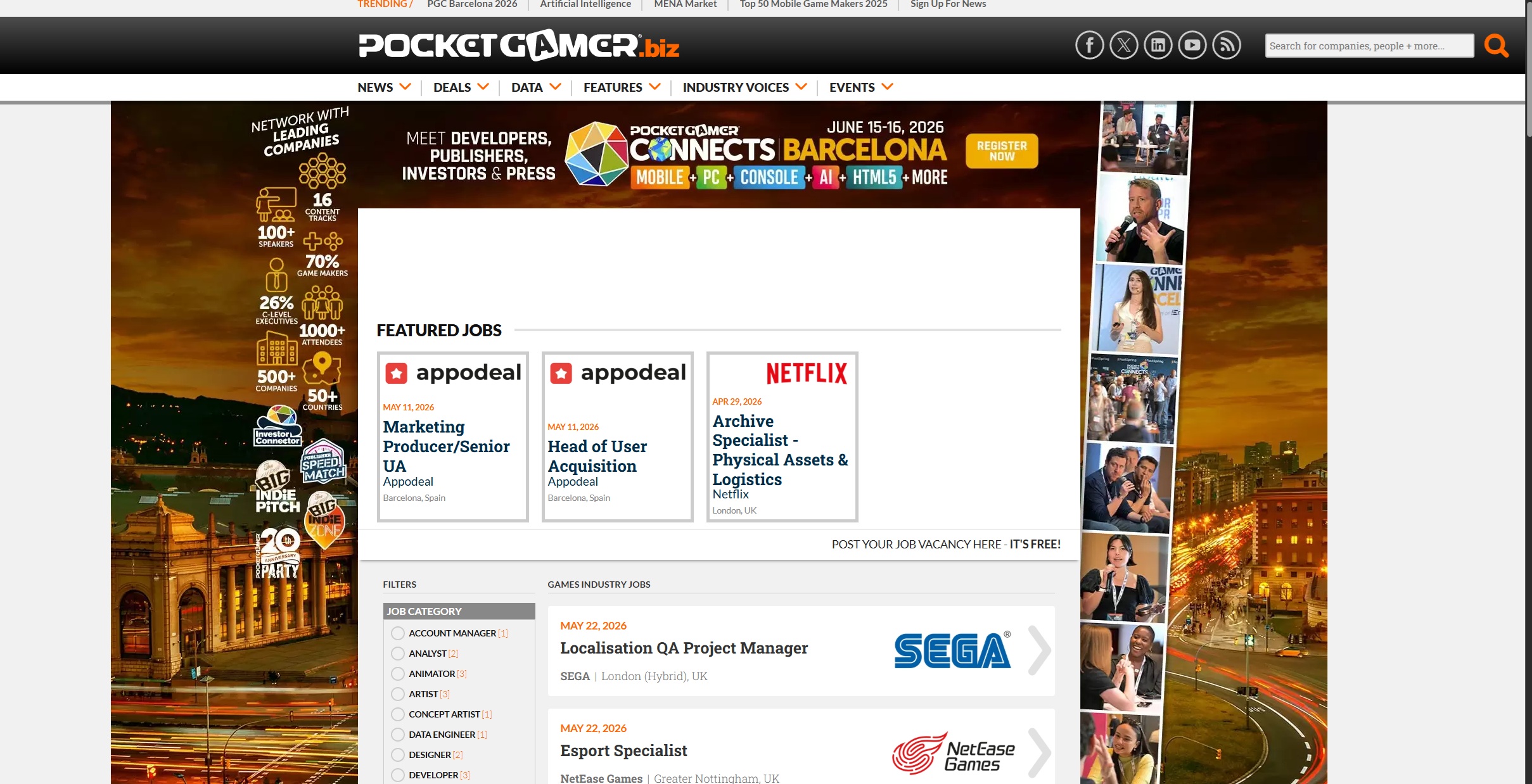
Focused on Game Developers, Designers, Producers & QA
PocketGamer.biz Jobs runs alongside one of the most-read trade publications in the game industry — part of the same Steel Media network that consolidated game-industry hiring onto a single board. People come for the news and analysis, see the jobs, and apply — meaning the board never has to acquire candidates separately from the content.
Why This Niche Works
- The parent publication already attracts the exact audience employers want to reach, at zero incremental acquisition cost.
- Game studios cluster geographically (Montréal, LA, Helsinki) and culturally; a focused board reflects that better than a generalist.
- Game development talent often moves studio-to-studio, generating repeat visits to the board over a career.
Founder Lessons
- Media + jobs is one of the most durable pairings in this space — readers become candidates with no extra marketing spend.
- Industries where careers span multiple employers (consulting, agencies, studios) generate compounding candidate engagement over years.
How To Apply This
If you’re launching a niche board, consider pairing it with even a lightweight content presence (newsletter, podcast, weekly roundup). The content drives the audience; the jobs monetize them.
18. Health eCareers — Healthcare Professionals
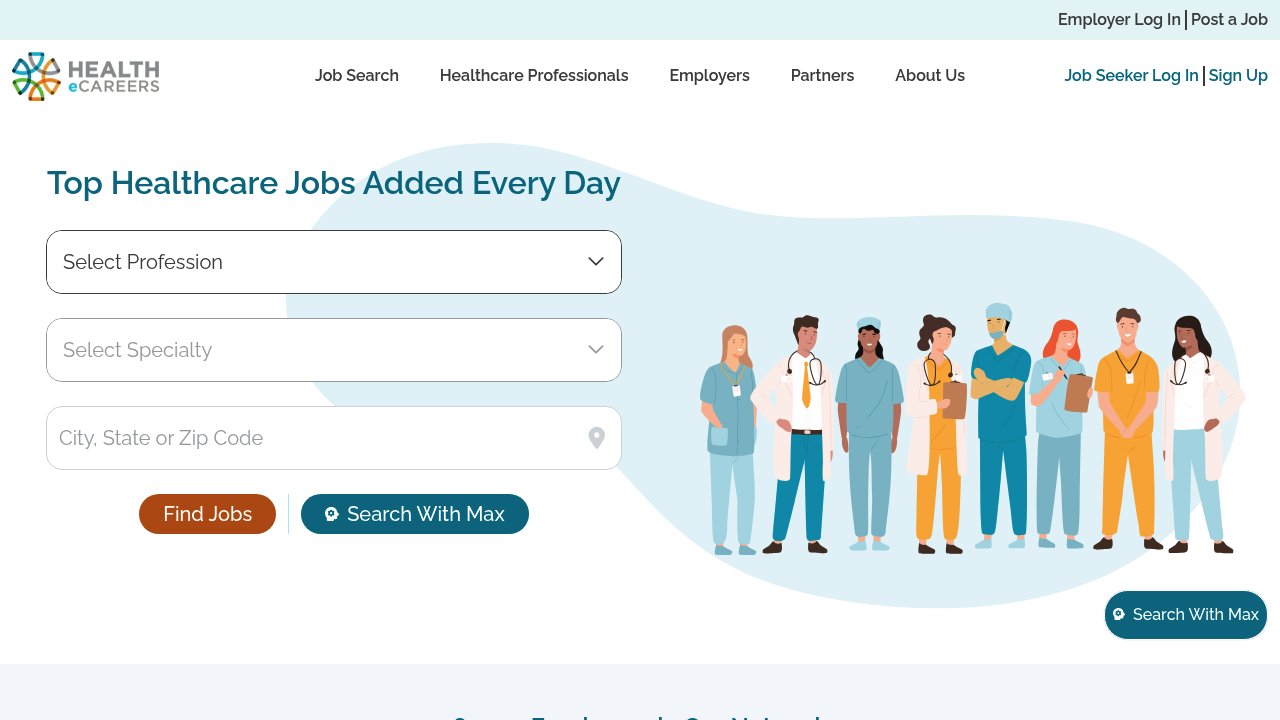
Focused on Physicians, Nurses & Allied Health Roles
Health eCareers serves a regulated industry where every role requires credentials, licensure, or board certifications. Employers face chronic shortages and pay accordingly — making this one of the highest-value niche markets in job boards.
Why This Niche Works
- Healthcare staffing budgets are enormous — hospitals routinely pay agencies tens of thousands per placement, so paying for niche board access is trivial in comparison.
- Credentialing filters (RN, MD, NP, PA, BLS, state licensure) are essential and absent from general boards.
- Persistent talent shortages mean employers post and re-post the same roles for months, generating sustained listing revenue.
Founder Lessons
- Certification-gated niches have the highest employer willingness-to-pay — credentials make candidates scarce, and scarcity pays.
- Industries with chronic labor shortages are recession-resistant — hiring continues even in downturns.
How To Apply This
Look for industries with state or national licensure (legal, healthcare, finance, education). Build credential filters into search and listings; employers will pay a premium for the qualifier.
19. MediaBistro — Media, Journalism & PR
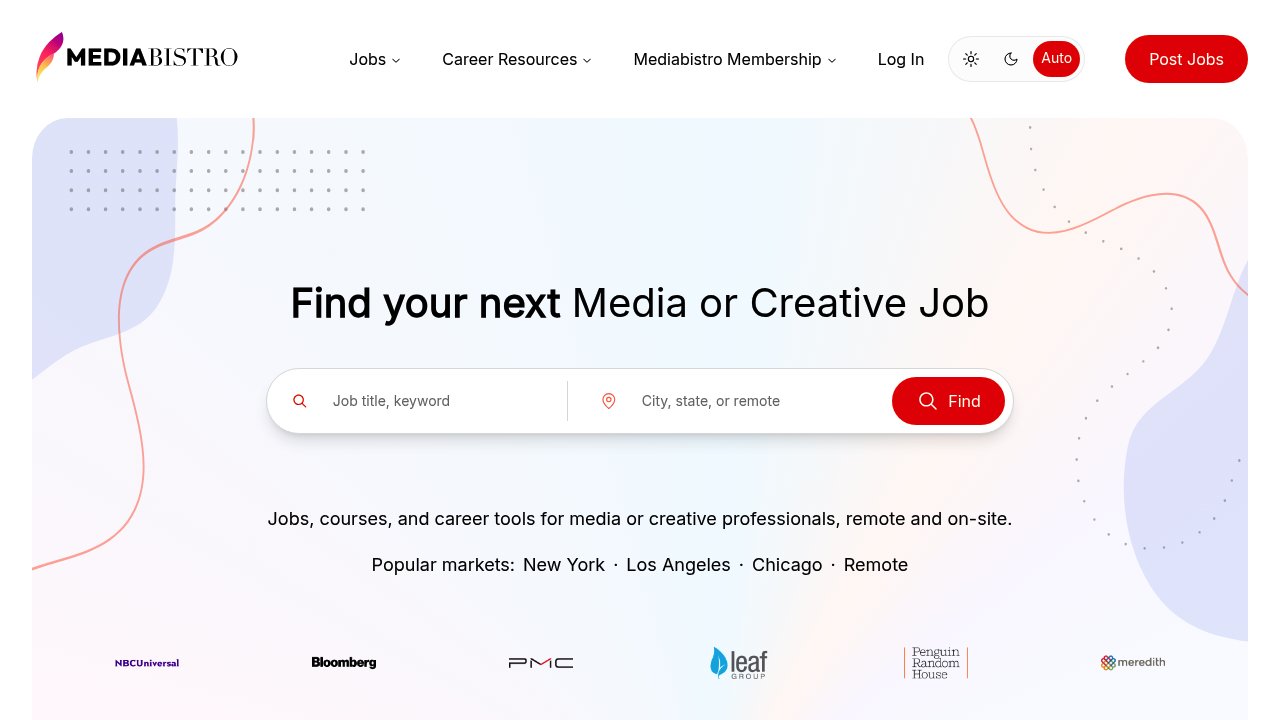
Focused on Editorial, Journalism, PR & Communications
MediaBistro has served the media industry through a tumultuous era — print decline, digital pivots, layoffs, AI disruption. Despite the industry’s shrinkage, the board has remained the recognized go-to platform for editorial and communications hiring.
Why This Niche Works
- Long-standing brand authority within the industry creates trust that newer entrants struggle to replicate.
- Media careers involve frequent job changes; candidates return to the board repeatedly across their working lives.
- Adjacent revenue (training courses, events, certifications) cushions the board against listing-fee volatility.
Founder Lessons
- Brand authority compounds and outlasts industry turbulence — even as media shrunk, MediaBistro remained the default reference for editorial hiring.
- Diversifying into training and events smooths the revenue line when the underlying industry contracts.
How To Apply This
Invest in brand-building from day one — clear voice, consistent design, recognizable identity. In niche markets, "the most-trusted board" beats "the cheapest board" every time.
20. Mac's List — Pacific Northwest Mission-Driven Jobs
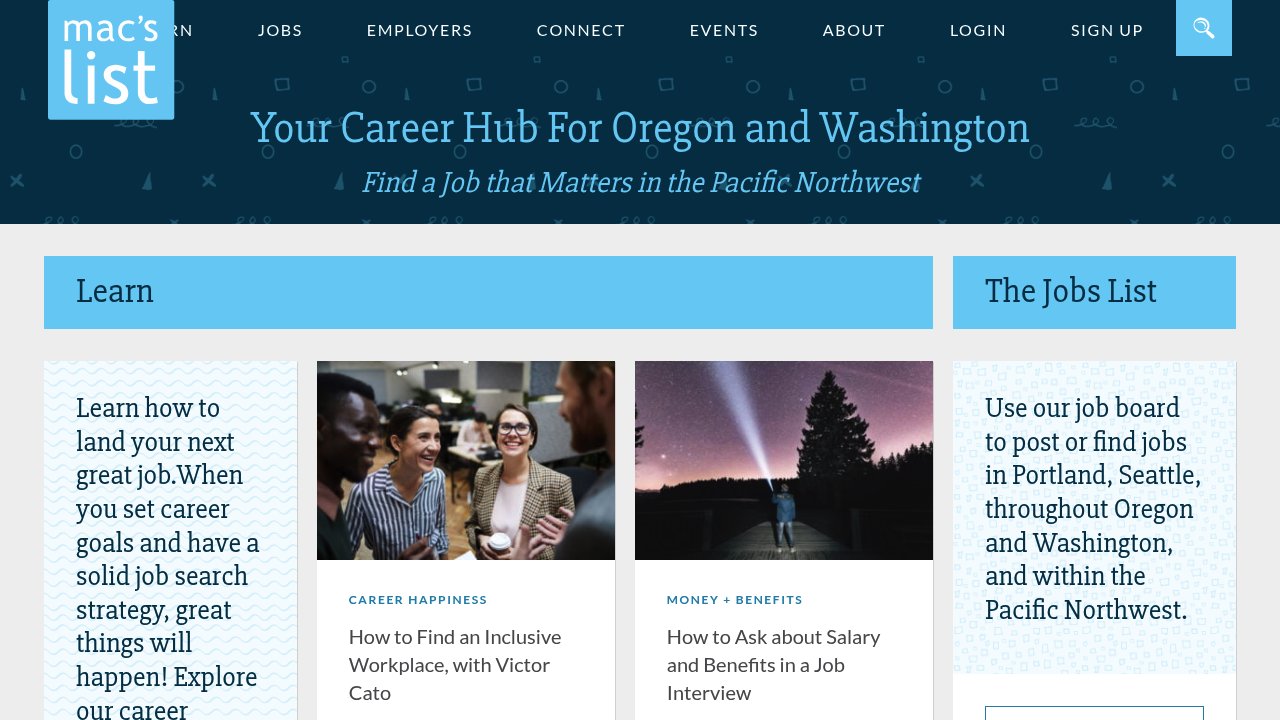
Focused on Pacific Northwest Mission-Driven & Professional Roles
Mac’s List started as a personal email forward from one professional sharing job leads with friends in Portland. Over years it grew into a regional job board, a podcast, and a career coaching business — all stemming from a single niche audience.
Why This Niche Works
- Geographic + values niches are doubly defensible — a generalist competitor would need to replicate both the geography and the community values.
- Pacific Northwest professionals strongly prefer mission-driven employers, creating a natural fit for non-profit and B Corp listings.
- The board grew alongside trusted personal recommendations, building organic word-of-mouth that paid acquisition can’t match.
Founder Lessons
- Niches can start absurdly small — an email forward to friends is enough to validate demand if the audience genuinely cares.
- Combining two narrow filters (geography × values, role type × certification, industry × seniority) compounds defensibility.
How To Apply This
Don’t worry about scaling on day one. Start by manually emailing 20 jobs to 50 people each week. If the open rate is high and people forward the list to friends, you have a real niche. Automation and software come after demand is validated.
How to Pick a Profitable Niche: Search Demand & Pricing
The examples above prove that focus wins — but before you commit to a niche, it pays to validate it with hard numbers. The best niche job board opportunities combine high search demand, low keyword difficulty, and employers who are willing to pay to reach a specialized audience. As a rule of thumb, aim for a keyword difficulty below 20%, at least ~2,000 monthly searches for your main term, and roles where employers happily pay a premium per post.
Here are six niches that illustrate that balance, ordered from easiest to hardest to rank for, with their search demand and typical employer willingness to pay per job post:
| Niche | Monthly Searches | Keyword Difficulty | Employer Willingness to Pay |
|---|---|---|---|
| Civil Engineering Jobs | 55,000 | 3% | $125–$595 |
| Data Analyst Jobs | 49,000 | 17% | $119–$450 |
| Warehouse Jobs | 74,000 | 30% | Varies |
| Data Entry Jobs | 229,000 | 48% | $80–$157 |
| Online Jobs for Students | 105,000 | 49% | $80–$157 |
| Cyber Security Jobs | 50,000 | 53% | $199–$600 |
How to read this: niches like civil engineering (55,000 searches at just 3% difficulty) and data analyst roles (49,000 searches at 17% difficulty) are the sweet spot — strong demand that's still realistic to rank for, paired with solid per-post pricing. High-volume niches like data entry or online jobs for students attract more searches but are far harder to rank for, so they suit founders with an existing audience or SEO head start. Higher-salary, certification-heavy fields (cyber security, healthcare, engineering) command the strongest employer willingness to pay — the harder a role is to fill, the more a relevant, targeted board is worth.
Whichever niche you choose, validate it the same way the boards above did: confirm employers are already paying to hire in the space, then build a focused experience around that audience. With modern job board software you can test an idea and launch in minutes — including backfilling listings so your board never looks empty while you grow.
Common Patterns in These Successful Boards
Across all twenty examples, successful niche job boards give founders:
- Clear audience definition
- Higher employer willingness to pay
- SEO friendly page structures
- Features tailored to the niche’s language or workflow
- Community or trust-based signals
These traits make them easier to market, easier to monetize, and more defensible over time. The opportunity is real, too: the job board market is projected to reach $817.8 million by 2030, and employers increasingly pay a premium for relevance — strong employer branding alone can cut hiring costs by up to 43%, an advantage niche boards are uniquely placed to deliver.
Conclusion
The job boards featured in this article may serve different industries, roles, and hiring models, but they all prove the same core point:
Niche job boards win by focus, not scale.
Each successful example shows that you don’t need millions of listings or users to build a valuable job board business. What matters is:
- A clearly defined audience
- A real hiring problem being solved
- Employers who value relevance over volume
- A business model aligned with that niche
For founders, these examples provide more than inspiration — they provide validation. If employers are already paying to hire within a specific niche, there’s a strong chance a well-positioned, well-executed job board can compete by offering a better experience, clearer positioning, or deeper specialization.
The key takeaway is simple:
Choose a niche with demand, commit to it, and build for that audience deliberately.
With modern job board software, it’s easier than ever to test an idea, launch quickly, and iterate based on real market feedback. The most successful niche job boards didn’t start by trying to serve everyone — they started by serving the right people exceptionally well.
If you’re considering starting your own job board, use these examples as a blueprint, not a benchmark — and focus on building something narrowly useful, defensible, and sustainable.
FAQs
What makes niche job boards more effective than general job platforms for employers and job seekers?
Niche job boards carve out a space by zeroing in on specific industries, professions, or interests, offering tailored advantages for both employers and job seekers.
For employers, these platforms deliver a focused pool of candidates, making it easier to connect with individuals who have the right skills and qualifications. This targeted approach streamlines the hiring process and cuts down on time spent sifting through unrelated applications.
For job seekers, niche boards take the guesswork out of the job hunt by presenting opportunities that match their expertise and passions. This not only saves time but also boosts the likelihood of landing a role that’s a perfect match in an often crowded job market.
How do niche job boards promote diversity and inclusion in hiring?
Niche job boards zero in on specific industries or communities, offering opportunities that are carefully tailored to meet unique needs. Some of these platforms focus on underrepresented groups, creating a bridge for job seekers from diverse backgrounds to connect with employers who genuinely prioritize inclusivity.
For companies, these boards are a way to tap into a broader range of talent while showcasing their dedication to equitable hiring. By addressing distinct challenges and needs, niche job boards play an important part in encouraging fair hiring practices and fostering workplace diversity.
How small can a niche job board be and still work as a business?
Smaller than most people think. Boards like DronePilotJobs.co.uk and TrustAndSafetyJobs.com serve highly specific audiences and don't need millions of visitors to be valuable. What matters is whether employers have hard-to-fill roles and whether candidates actively identify with the niche. A board with 50 relevant listings and a focused audience can outperform a general board with 10,000 listings where relevant jobs get buried. If employers are willing to pay to reach your audience, the niche is viable — regardless of overall traffic volume.
Before you go: launch your
job board in 10 steps
Get the free interactive checklist + insider tips on building a profitable job board sent to your inbox.